
What To Consider Before Installing Wood Heaters In Hobart
Choosing a wood heater is not only about finding a model that looks right in the room. Hobart's cool winters, home construction styles and heating needs all affect which system will work efficiently and safely. For homeowners considering wood heaters in Hobart, the key decisions include heater size, installation location, flue design, fuel quality and whether a single-room appliance or whole-home system makes more sense. A properly matched heater can provide comfortable, reliable warmth, while an oversized or poorly positioned unit may be harder to control and less efficient. Thinking through these factors before purchase helps avoid expensive changes once installation begins.
Why Hobart's Climate Shapes the Wood Heater You Choose
Hobart's winter conditions mean a heater may be used regularly for extended periods, so performance matters just as much as appearance. A home with good insulation and modern glazing may retain heat well, while an older property with draughts, high ceilings or less insulation can require a different approach. Exposure, room layout and the amount of connected living space also influence how quickly warmth moves through the home.
Climate-related considerations include:
- How often the heater is likely to operate through winter.
- Whether the property loses heat quickly through windows, ceilings or draughts.
- How much of the home needs to feel consistently warm.
Choosing around the building itself gives a much better result than relying only on the nominal size of the heater.
Sizing a Wood Heater to Your Home, Not Just the Room
One of the most common mistakes is selecting a heater based only on the dimensions of the room where it will be installed. Heat moves through hallways, open-plan spaces and adjoining rooms, while insulation levels and ceiling height can significantly change the amount of heat required. A useful wood heater buying guide should therefore consider the whole heated zone rather than just floor area.
Before choosing capacity, assess:
- The total area you want the heater to influence.
- Ceiling height, insulation and glazing.
- Whether the space is open plan or divided into smaller rooms.
A correctly sized heater should provide useful warmth without forcing you to run it constantly at maximum output or regularly damp it down because the room becomes too hot.
Freestanding, Inbuilt or Radiant: Which Heater Type Suits Your Space
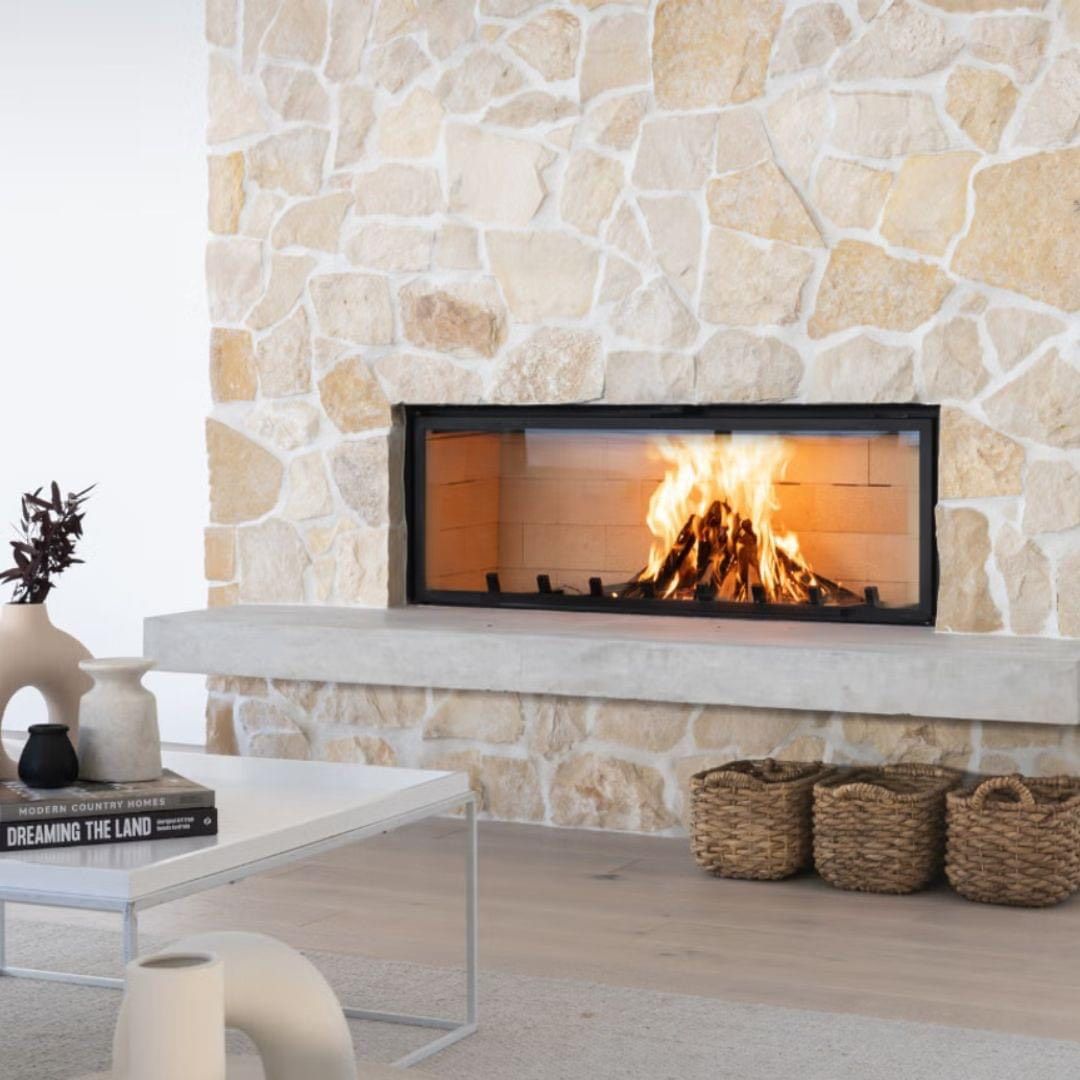
Different heater styles suit different homes and renovation goals. Freestanding heaters are versatile and can become a central feature in a living area. Inbuilt models can make use of an existing fireplace or create a more integrated appearance. Radiant heaters deliver strong direct warmth and can suit rooms where occupants spend time close to the appliance.
When comparing heater types, consider:
- Available floor or fireplace space.
- How quickly and widely you want heat to spread.
- Whether appearance, floor space or direct radiant warmth matters most.
For homeowners comparing wood heaters in Tasmania, there is no single best format. The right option depends on the building layout, existing fireplace conditions and how the household actually uses the space.
When Hydronic Heating Makes More Sense for Whole-Home Warmth
A standalone wood heater works well when the goal is to warm one main living area, but some households want more even heat across several rooms. In that situation, hydronic heating in Hobart can be worth considering. A wood-fired hydronic system heats water that circulates through radiators or other emitters, allowing warmth to be distributed throughout the home rather than concentrated around one appliance.
Hydronic heating may suit homes where:
- Multiple rooms need consistent heating.
- The household wants less temperature variation between living and sleeping areas.
- A whole-home system is being planned during a renovation or new build.
The trade-off is greater installation complexity, so system design should be considered early rather than added as an afterthought.
Planning the Installation: Flue Design, Clearances & Placement
The heater itself is only one part of the installation. Flue routing, wall clearances, hearth requirements and surrounding materials all need to be considered before the final position is chosen. A location that seems ideal visually may create unnecessary complexity if the flue must pass around structural elements or if required clearances are difficult to achieve.
Good installation planning should account for:
- A practical flue route with suitable roof penetration.
- Required distances from combustible walls, furniture and finishes.
- A hearth and surrounding layout that suit the selected appliance.
For wood heaters in Hobart, careful placement can also improve how effectively warmth moves through the room and into adjoining areas.
Emissions Standards, Compliance & Why DIY Installation Isn't an Option
Modern wood heaters must meet applicable emissions and efficiency requirements, while installation also needs to comply with relevant building and safety standards. A professional installer understands how the appliance, flue, clearances and hearth work together as one system. This matters because even a quality heater can perform poorly or become unsafe if the installation is incorrect.
Professional installation helps ensure:
- The appliance is positioned with the correct clearances.
- Flue components are installed to the required standard.
- The overall installation is appropriate for the building.
DIY installation can create serious safety, compliance and insurance issues, particularly where incorrect flue design or insufficient clearances are involved.
Firewood, Servicing & the Real Cost of Ownership
The purchase price is only part of the long-term cost of owning a wood heater. Fuel quality, annual servicing, chimney cleaning and replacement components should all be included in the decision. Dry, seasoned firewood is important because wet timber burns less efficiently and can contribute to additional deposits in the flue.
Ongoing ownership usually involves:
- Sourcing and storing suitable dry firewood.
- Periodic servicing and flue cleaning.
- Replacing door seals or other wear components when required.
A well-maintained heater can remain reliable for many years, but regular attention is necessary to keep combustion efficient and the flue system operating safely.
Choosing a Local Installer for Your Hobart Wood Heater
The best heater choice comes from matching the appliance to the building, the household and the intended heating area. A local installer can assess room size, insulation, flue options and whether freestanding, inbuilt, radiant or hydronic heating is the better fit. That practical assessment is often more valuable than choosing from specifications alone.
We at Complete Heating are a family-owned business with three generations of experience supplying, installing and servicing heating systems across southern Tasmania. From our Huntingfield showroom, we can help homeowners compare options for wood heaters in Hobart, plan the flue and installation requirements and choose a system suited to the property. Contact our team to discuss your home and arrange professional advice before you commit to a heater.


